The Venue
Music That Lives is based at Penge Congregational Church in South East London.
Thanks to the kindness and generosity of the Church Deacons, Music That Lives has been entrusted with a dedicated Chapel space to develop as a permanent concert venue, alongside additional premises for future instrument repair and restoration workshops.
This unique arrangement provides a stable home for historically informed performance, intimate salon concerts, the long-term preservation of historic keyboard instruments, and the work of The Tonal Composers’ Society - supporting the creation and commissioning of new tonal classical music.
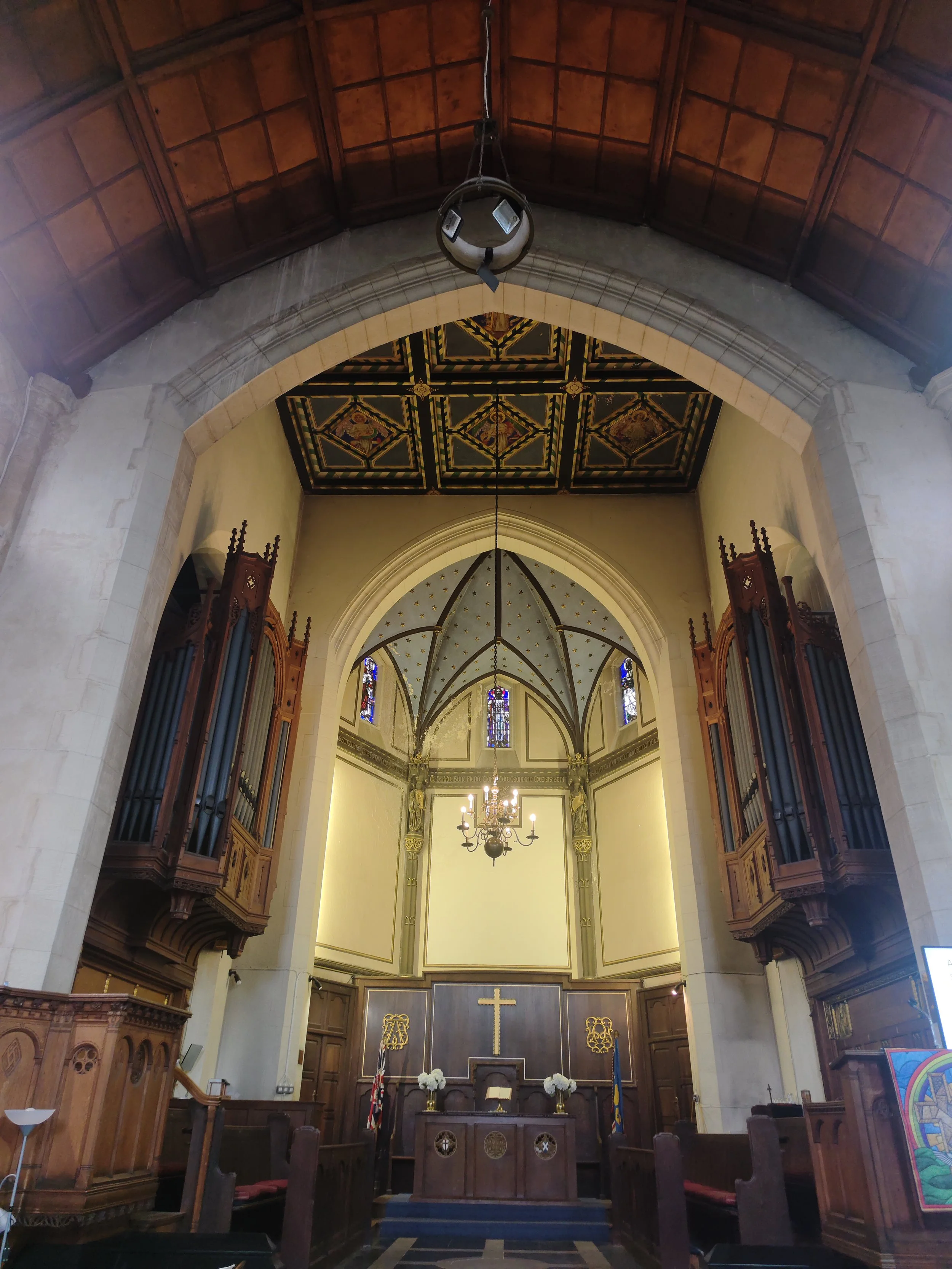
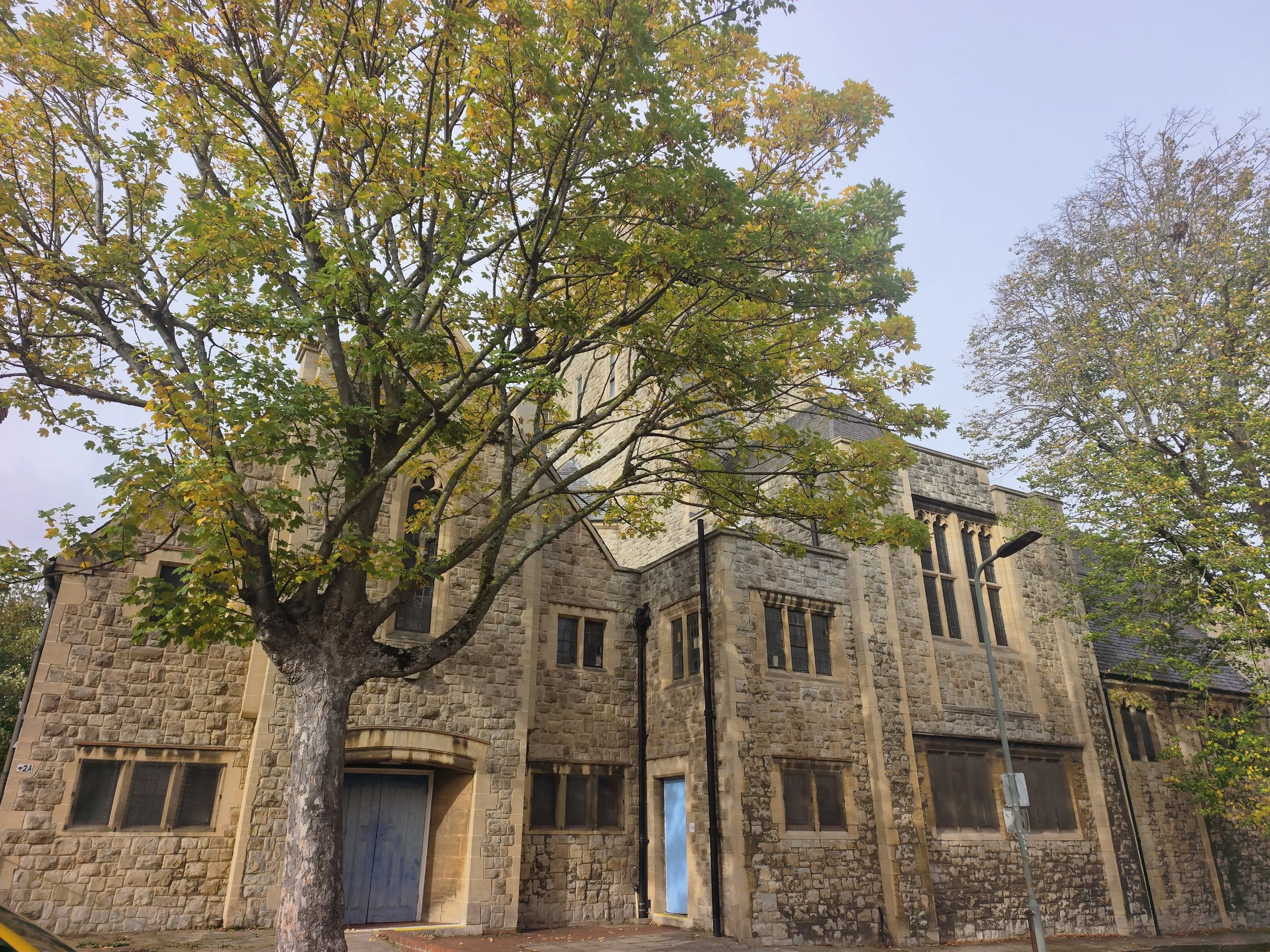
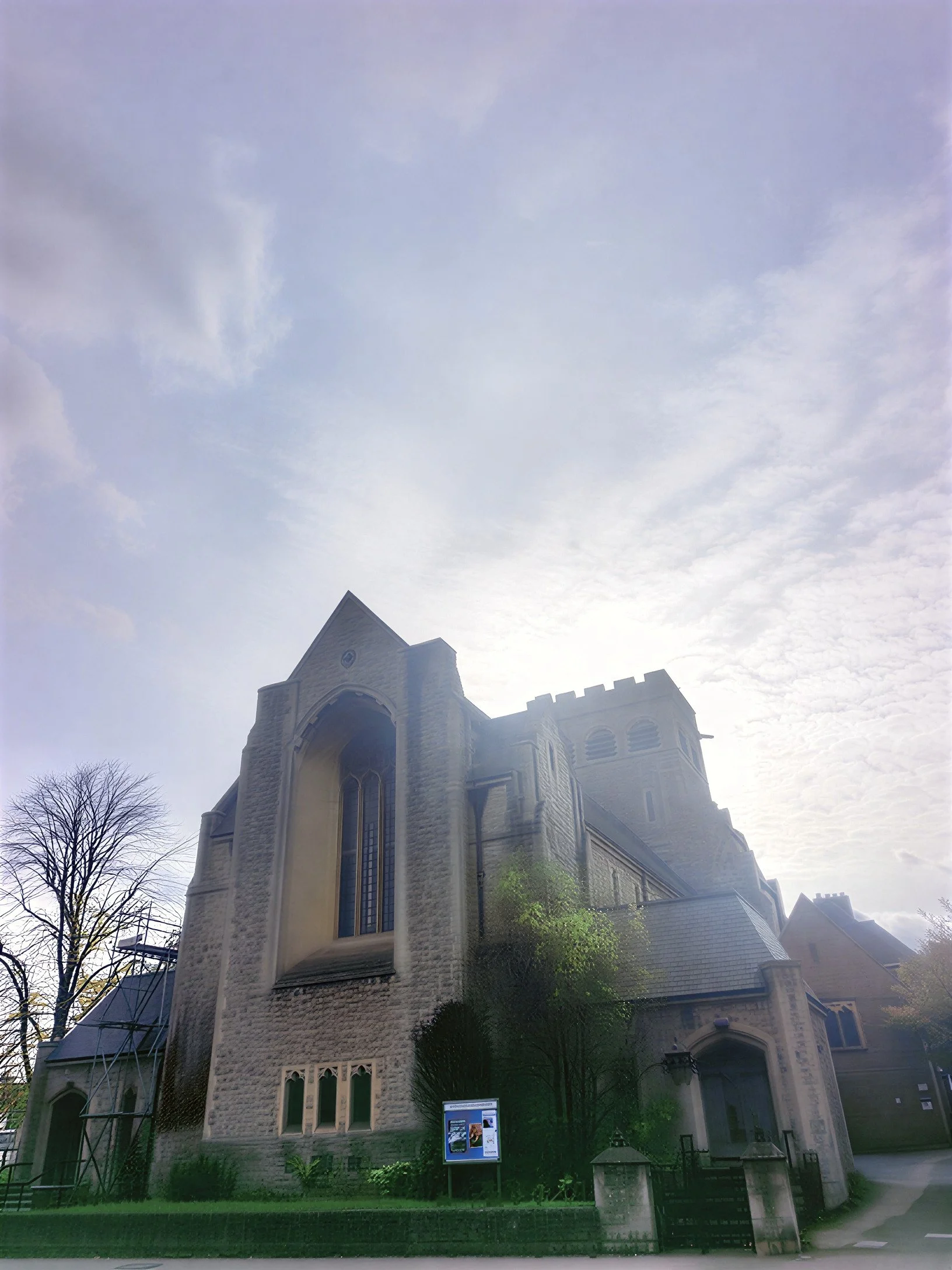
Penge Congregational Church in South East London is a Grade II listed landmark, built in 1912 in the Romanesque Revival style by architect Percy Richard Morley Horder. It replaced a temporary corrugated-iron chapel from 1908. The foundation stone was laid on 4 May 1912, and the church opened later that year on 26 October.
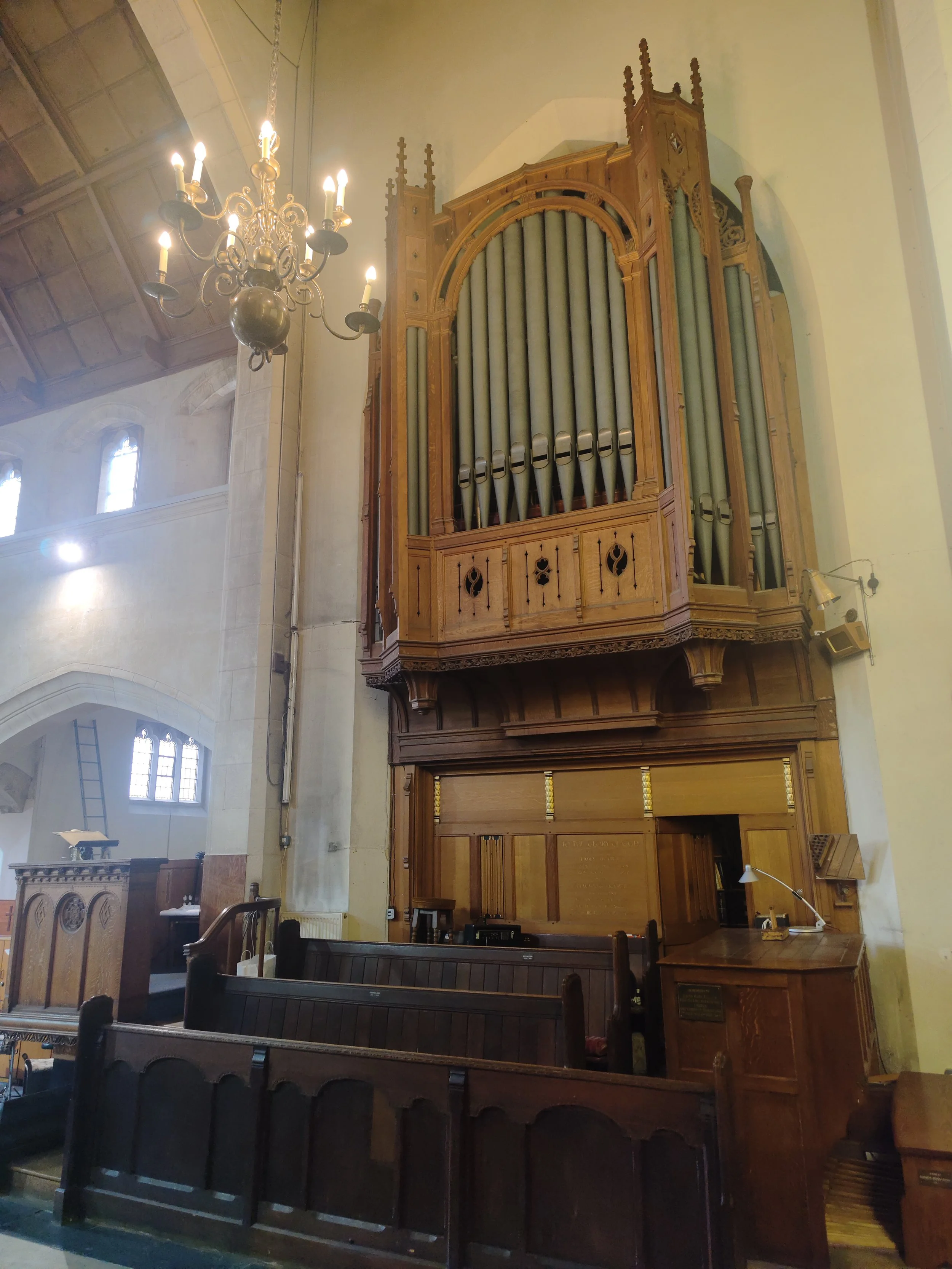
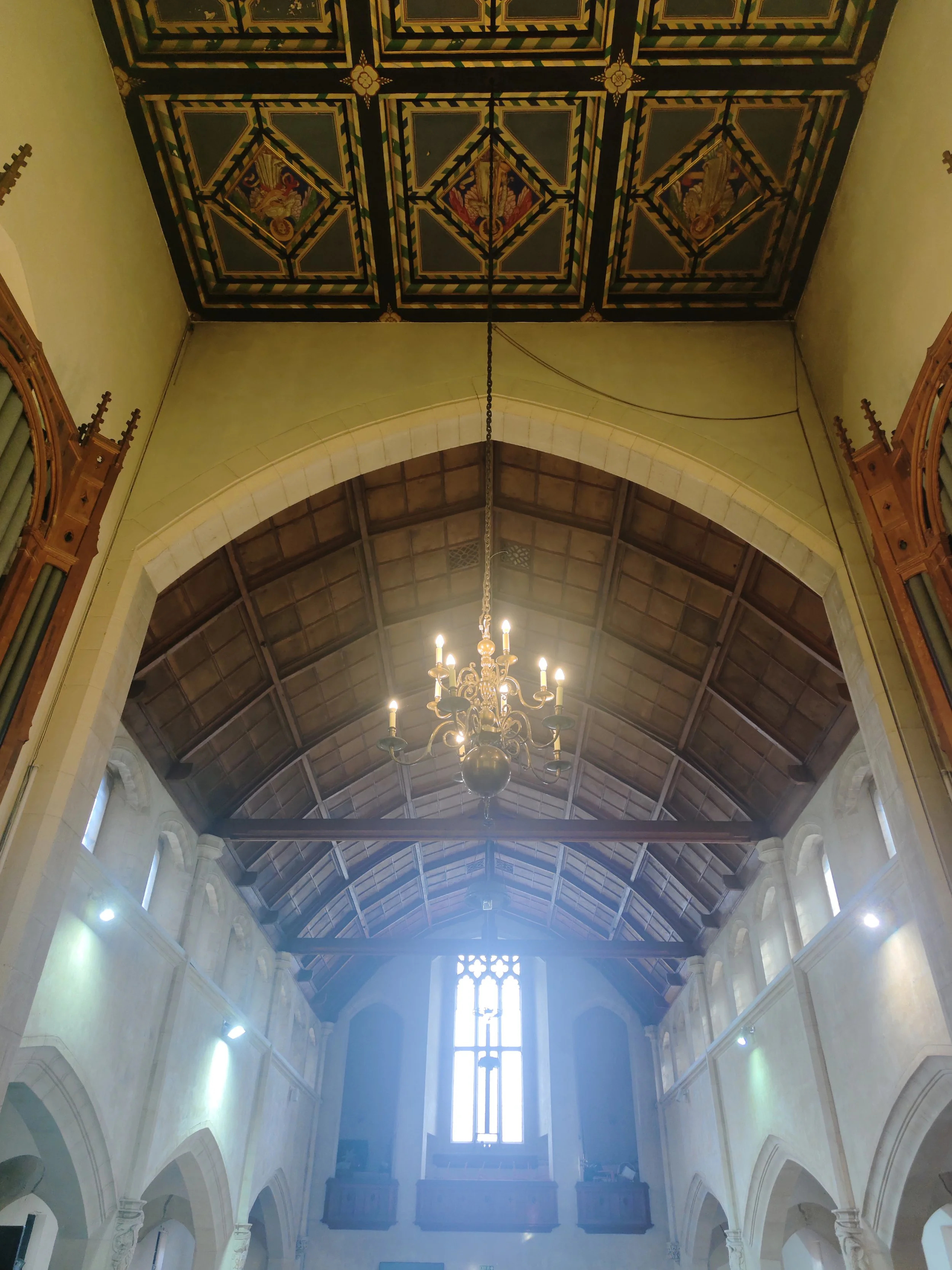
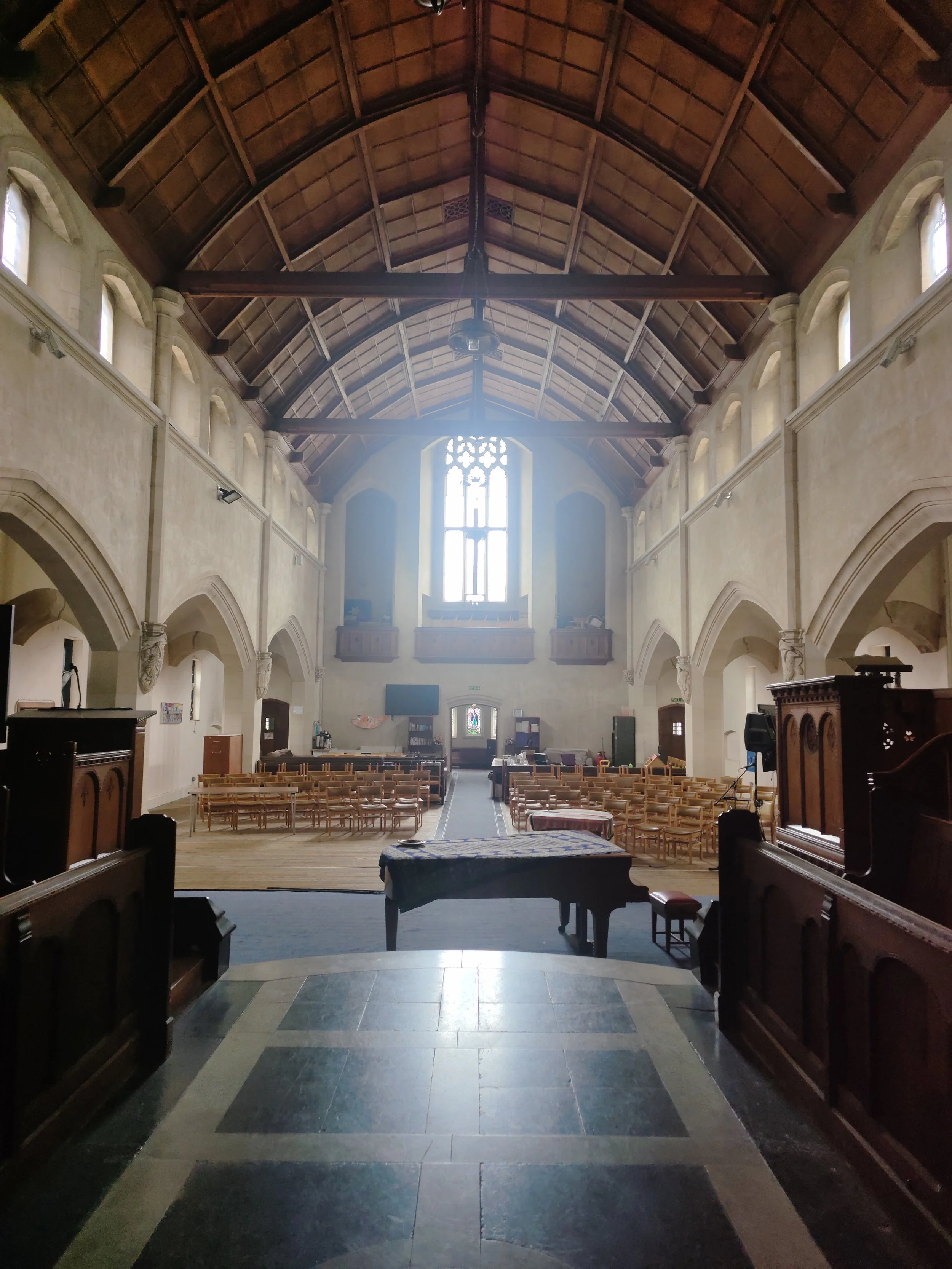
Constructed in brick with Kentish ragstone facing at a cost of £6,500, the building is distinguished by its imposing tower, steeply pitched roof, and tall recessed windows. Inside, the church retains its high oak-panelled barrel roof, timber crown-post ties, and stone-faced walls. Many original furnishings survive, including choir stalls, pulpit, reading desk, pews, carved organ cases, and period light fittings—making it a rare, remarkably intact example of an early 20th-century London Congregational church.
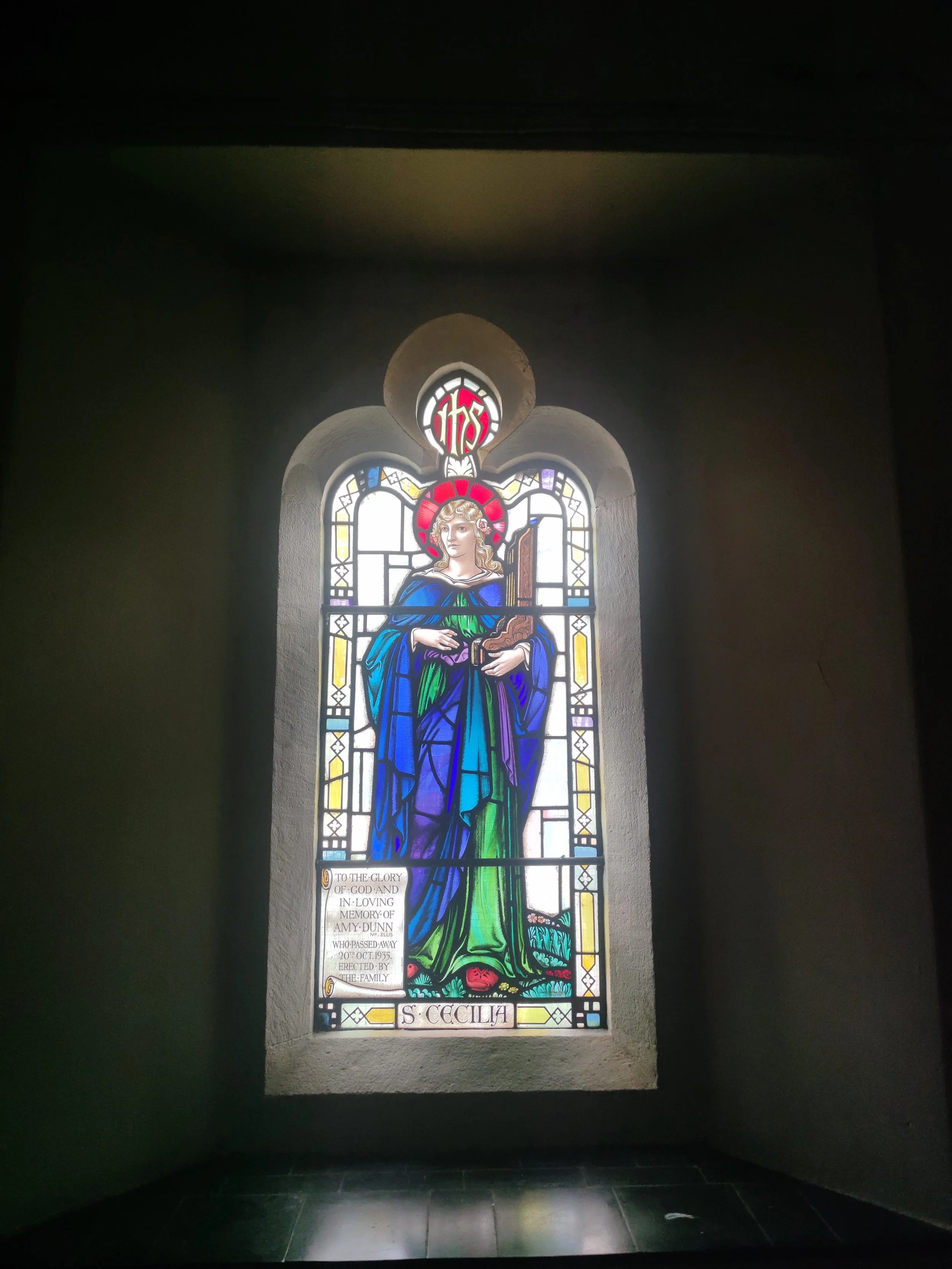
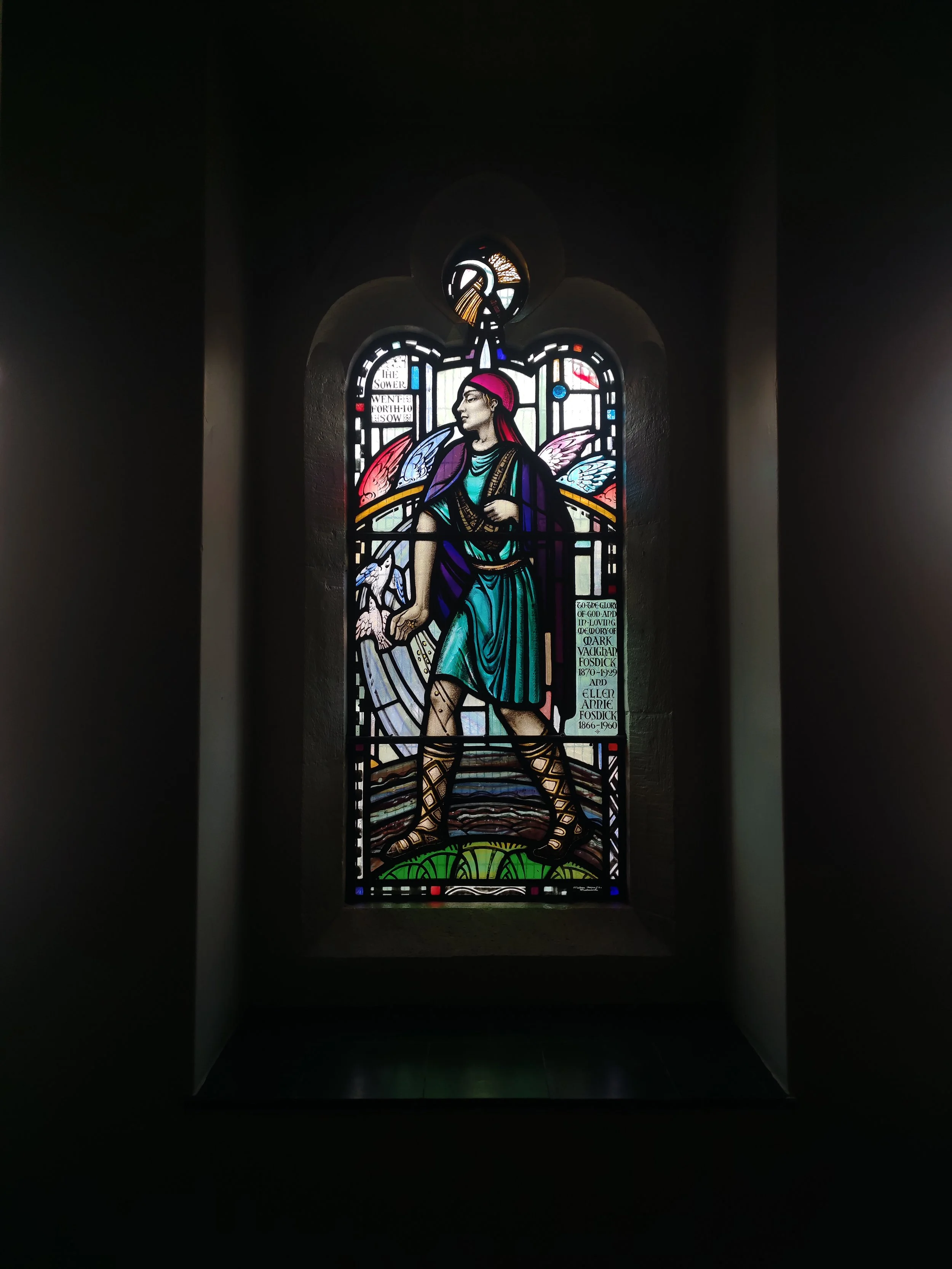
The space offers superb acoustics for orchestral and choral performances, piano recitals, and organ concerts. Its artistic highlights include stained-glass memorial windows by the William Morris studio: one depicts St Cecilia, patron saint of music, holding a medieval regal (hand-organ), while another illustrates the parable of the sower, commemorating local residents Mark and Annie Fosdick.
Today, the church supports a vibrant cultural and community programme, hosting concerts, exhibitions, and recitals, and serving as a rehearsal space for local ensembles such as the Penge Chamber Choir and Bromley Youth Chamber Orchestra. It is also home to Music That Lives: The 19th Century Music Salon and the Tonal Composers Society, based in the church’s historic chapel.
The Lewis organ, highly regarded among professional musicians, offers rich possibilities for historically informed performance and community engagement through music.
-
![Penge Congregational Church. Interior of a church altar with a cross, altar table, flower arrangements, stained glass windows, a chandelier, and wooden organ pipes on each side.]()
Penge Congregational Church
-
![Penge Congregational Church.. Stone church with many windows, surrounded by trees with green and yellow leaves, on a cloudy day.]()
Penge Congregational Church
-
![Penge Congregational Church. A large pipe organ in a church with wooden casing, surrounded by wooden pews and a chandelier hanging from the ceiling.]()
The Lewis Organ
-
![Penge Congregational Church. Colorful stained glass window depicting Saint Cecilia holding a musical instrument, with a decorative border and a plaque at the bottom reading 'S. CECILIA: patron of music.]()
St Cecilia, patron saint of music, by the William Morris studio
-
![Penge Congregational Church. Colorful stained glass window depicting a winged figure walking forward, with an inscription panel and decorative elements around.]()
The parable of the sower, by the William Morris Studio
-
![Penge Congregational Church.. Interior of a church or cathedral with high arched ceilings, a central chandelier with lit candles, and stained glass windows.]()
Penge Congregational Church
-
![Penge Congregational Church. A large, historic stone church with pointed windows and Gothic architecture, set against a partly cloudy sky.]()
Penge Congregational Church
-
![Penge Congregational Church. Interior of a church with a high wooden vaulted ceiling, rows of wooden chairs, a grand piano, and a large stained glass window at the front.]()
Penge Congregational Church